/l3y7mv7fbxdpcdcbl2juhspruq0s)
Content
PCE Response to Governor Shapiro’s 2026–2027 Budget Address
(02/02/26)
OFFICIAL RESPONSE
Philadelphia Charters for Excellence commends Governor Josh Shapiro’s 2026–27 budget proposal for its significant investments in public education, while urging state leaders to address persistent funding inequities that leave public charter schools without equal access to facilities support and state grant programs.
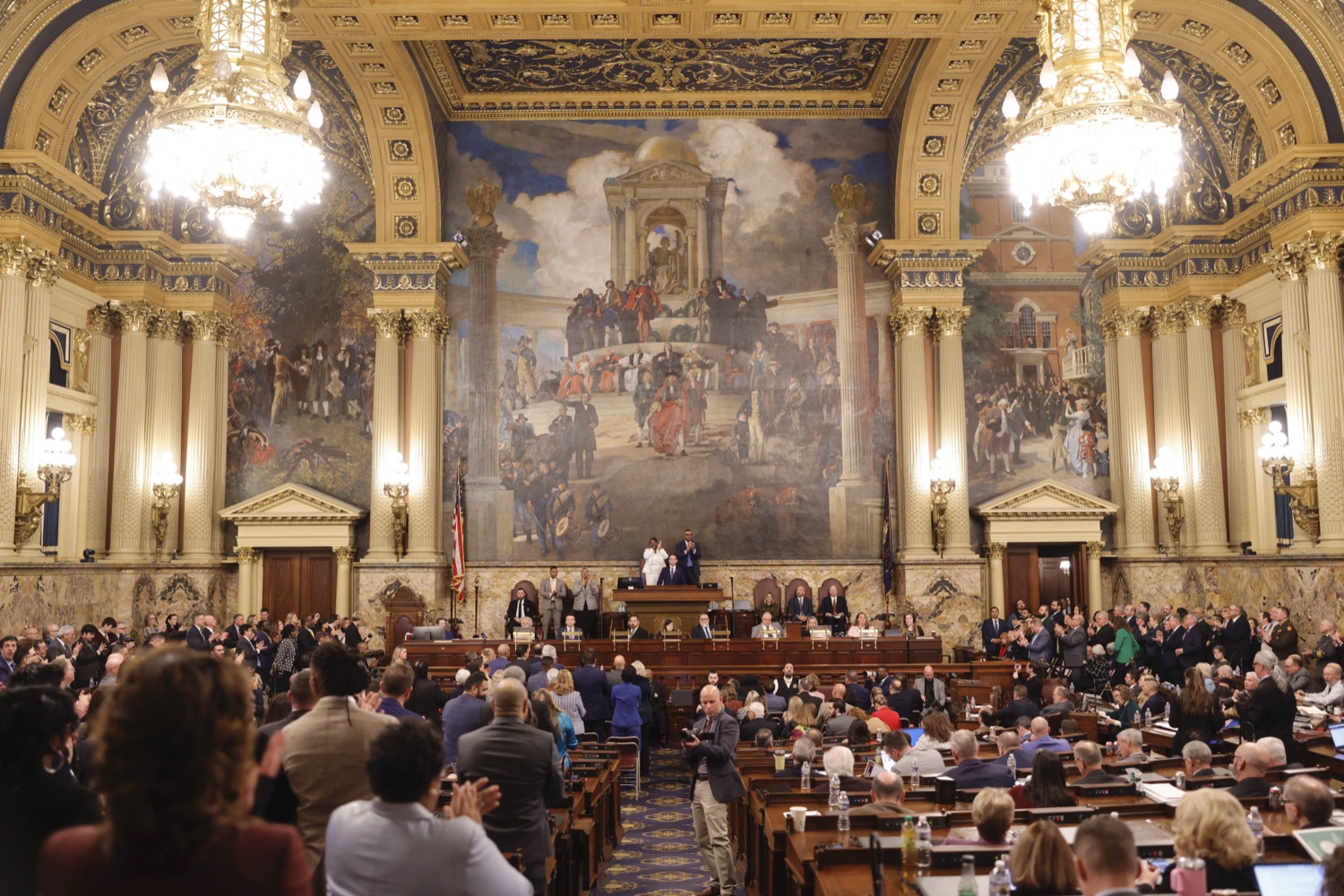
The Governor’s proposal includes more than $565 million in additional adequacy and tax equity investments, continued growth in basic education funding now exceeding $8.3 billion, and special education funding nearing $1.6 billion statewide. These investments strengthen classrooms, support educators, and expand access to student mental health and safety resources. PCE applauds this progress and the Administration’s recognition that equitable public education funding is essential to Pennsylvania’s future.
At the same time, PCE urges state leaders to ensure that public charter schools are fully included in these investments. While adequacy funding is critical, public charter schools remain excluded from equitable access to key funding streams, particularly facilities support and many competitive and non-competitive grant programs.
Across Pennsylvania, charter school leaders are forced to make difficult choices every day because of this inequity. Principals must divert classroom dollars to cover building repairs and debt service, postponing staff hires or scaling back academic enrichment so schools can remain safe and operational. These tradeoffs have real consequences for students whose educational experiences are shaped not by need or potential, but by funding structure.
This gap is especially concerning given that more than 25 percent of students with special needs in Philadelphia attend public charter schools. These students require consistent access to specialized services, instructional supports, and accessible facilities. When charter schools are denied equitable funding, it is often students with the greatest needs who are most affected.
To advance true equity, PCE urges state leaders to ensure that:
The Commonwealth addresses the facilities funding gap that forces brick-and-mortar charter schools to pay building and debt costs out of classroom dollars, creating an inequity that directly affects staffing, student supports, and academic programming.
Public charter schools receive adequacy funding at the same per-pupil level as district schools, so public dollars follow student need regardless of which type of public school a student attends.
Public charter schools have equal access to competitive and non-competitive grant funding available to other public schools, including facilities-related grant programs and other categorical opportunities that are often limited by statutory definitions excluding charters.
Brick-and-mortar public charter schools do not face funding cuts as part of broader reforms intended to strengthen public education statewide.
“We appreciate Governor Shapiro’s commitment to strengthening public education across Pennsylvania”, says Dr. Cassandra St. Vil, Chief Executive Officer of PCE. “These investments matter, however, we cannot overlook the fact that public charter schools serve tens of thousands of students, including a disproportionate share of students with special needs, and continue to face systemic funding inequities. Closing the facilities funding gap and ensuring equal access to state resources are essential steps toward true educational equity.”
PCE recognizes the historic strides reflected in this budget, and we stand ready to work with the Governor and Legislature to ensure that all Pennsylvanians benefit from equitable budget allocations. Equitable funding for charter schools is not just good policy; it is a moral imperative in service of all Pennsylvania children.
—
Philadelphia Charters for Excellence